

 See My Latest Article on HelloNation
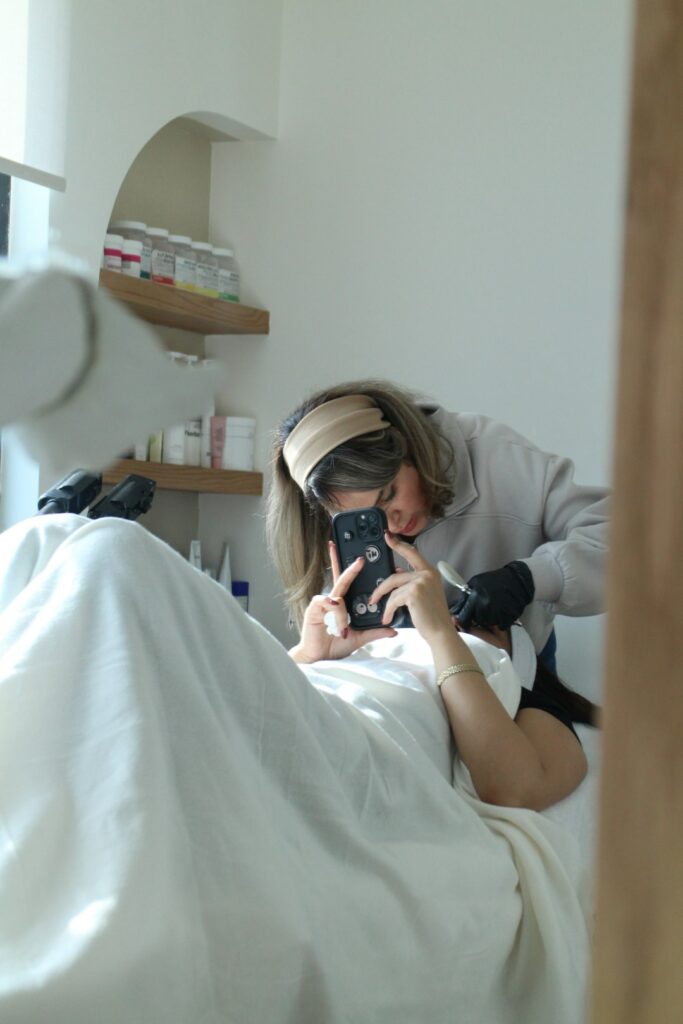
Radiofrequency skin tightening is a nonsurgical cosmetic treatment that uses controlled heat to encourage changes in the deeper layers of the skin. It may help improve mild laxity, fine lines, and overall skin texture, but the results are gradual and generally more subtle than those from surgery.
For residents in Boca Raton, the topic is especially relevant because year-round sun exposure, outdoor activity, heat, humidity, and frequent swimming can contribute to visible skin aging. Radiofrequency treatment may be part of a broader approach to maintaining firmer-looking skin, but it does not replace daily sun protection or address every cause of sagging.
What is radiofrequency skin tightening?
Radiofrequency, often shortened to RF, uses electrical energy to create heat in targeted skin tissue. That heat can cause limited, controlled contraction of existing collagen fibers and may stimulate the skin’s natural remodeling process.
Collagen provides structure and firmness. As people age, collagen production generally decreases, while sun exposure and other environmental factors can weaken the skin’s support system. RF treatments are designed to work below the surface without removing the outer layer of skin in the same way as some resurfacing procedures.
The technology is used in several ways:
- Noninvasive RF: A device is moved across the skin without needles or incisions.
- Microneedling RF: Small needles enter the skin and deliver RF energy at selected depths.
- More invasive RF procedures: A probe may be placed under the skin, usually as part of a medical procedure with different risks, recovery requirements, and expectations.
These approaches should not be treated as interchangeable. The device, treatment depth, energy level, body area, and operator’s training all affect the likely benefits and risks.
What benefits can it provide?
The main potential benefit is a modest improvement in skin firmness. Some people also notice smoother texture and a reduction in the appearance of fine lines over time.
Possible benefits include:
- Mild tightening of loose or crepey skin
- Softening of fine facial lines
- Improved appearance of skin texture
- Gradual improvement in elasticity
- Limited improvement in the look of sun-related skin aging
- Little or no downtime with some noninvasive treatments
Common treatment areas include the face, jawline, neck, upper arms, abdomen, and hands. Results are usually more noticeable when the concern involves mild laxity rather than substantial excess skin.
RF is not a substitute for a facelift, neck lift, eyelid surgery, or removal of significant loose skin. It also does not reliably erase deep wrinkles, restore lost facial volume, or correct pronounced jowling.
How soon do results appear?
Some people notice temporary tightness immediately after treatment, partly because of short-term tissue contraction and swelling. The more meaningful changes depend on collagen remodeling and usually develop gradually over several weeks to months.
A single treatment may provide a modest effect, while a series may be suggested depending on the device and the treatment goal. Results vary according to age, skin condition, sun exposure, weight changes, genetics, and the amount of laxity present.
The effects are not permanent. Normal aging continues, and the skin remains vulnerable to ultraviolet exposure. A consistent skincare routine and daily broad-spectrum sunscreen can help protect the improvement, although they cannot stop aging altogether.
Is radiofrequency skin tightening painful?
Noninvasive RF is commonly described as warm, prickly, or mildly uncomfortable rather than sharply painful. The handpiece may be moved repeatedly over the treatment area, and cooling or other comfort measures may be used.
Microneedling RF is more involved. Numbing medication is often used, and people may experience heat, pressure, pinpoint bleeding, redness, swelling, or tenderness afterward. Recovery can last longer than with noninvasive RF.
Pain is not a reliable measure of effectiveness. Excessive heat or severe discomfort should not be viewed as evidence that a treatment is working better. Skin temperature and energy delivery need to be controlled carefully to reduce the chance of burns or unwanted tissue injury.
What are the risks?
Short-term effects can include redness, swelling, tenderness, temporary sensitivity, and mild changes in skin texture. Less common complications include burns, blisters, prolonged discoloration, scarring, infection, uneven results, and changes in facial or body contours.
The risk may be higher when RF is combined with needles, aggressive settings, multiple procedures, or products not specifically evaluated for use with the device. In October 2025, the U.S. Food and Drug Administration warned about reports of serious complications associated with certain uses of RF microneedling, including burns, scarring, fat loss, disfigurement, and nerve damage.
That warning applies specifically to certain RF microneedling uses and does not mean every RF treatment has the same risk profile. It does reinforce the need to understand which type of technology is being used, whether needles are involved, and what the device is cleared or authorized to do.
Who may need extra caution?
A careful medical history matters before treatment. Extra caution may be appropriate for people with:
- An implanted electronic device, such as a pacemaker or defibrillator
- Metal in or beneath the treatment area
- Active skin infections, open wounds, or uncontrolled inflammatory skin conditions
- A history of abnormal scarring
- Reduced sensation in the treatment area
- Recent surgery, injections, resurfacing, or other procedures
- Certain medications that affect healing or skin sensitivity
- Pregnancy or a medical condition requiring individualized guidance

An intrauterine device, tattoos containing metallic pigments, or previous cosmetic implants may also affect treatment planning, depending on the body area and the device used. These factors should be discussed before energy-based treatment rather than assumed to be harmless.
How does Boca Raton’s climate affect skin-tightening expectations?
The local climate can influence both skin aging and aftercare. Strong sunlight increases cumulative ultraviolet exposure, which contributes to collagen breakdown, uneven pigmentation, and wrinkles. Heat and humidity may also make post-treatment redness or discomfort feel more noticeable.
Outdoor routines such as boating, walking, gardening, golf, and swimming can create additional exposure. After treatment, avoiding unnecessary sun, using protective clothing, and applying sunscreen as directed can be especially important. Swimming, heavy sweating, and hot environments may need to be limited temporarily after procedures that create openings in the skin, such as RF microneedling.
Sunscreen does not tighten skin by itself, but it helps prevent continued collagen damage. For many local residents, sun protection is one of the most practical ways to preserve any improvement from a cosmetic treatment.
What questions should be answered before treatment?
Before deciding whether RF is appropriate, ask:
- Is the treatment noninvasive, microneedling-based, or inserted beneath the skin?
- What specific skin concern is the device intended to address?
- What results are realistic for the amount of laxity present?
- How many treatments may be needed?
- What are the expected downtime and common side effects?
- Could the treatment worsen pigmentation or cause volume loss?
- What implanted devices, medications, scars, or prior procedures should be disclosed?
- What aftercare is required in sunny, humid conditions?
The most useful expectation is gradual, limited improvement in firmness and texture—not a surgical lift. Radiofrequency can be reasonable for selected cases of mild skin laxity, but the choice depends on the technology, treatment area, individual health factors, and willingness to follow appropriate sun and aftercare precautions.